Phone Chat Illustrations: Dynamic Vectors for Modern Design
In the fast-paced world of digital content, visual shorthand is everything. We scroll through feeds, scan emails, and navigate apps, constantly looking for cues that tell us what a message is about before we even read the text. This is where the power of specific iconography comes into play, and few assets are as versatile as high-quality Phone Chat Illustrations. These aren't just simple doodles; they are essential design assets that bridge the gap between technology and human connection. Whether you are a small business owner trying to make your customer support page feel warmer, or a marketer looking to inject some personality into a cold email campaign, these vector graphics offer a solution that is both practical and visually engaging.
The Anatomy of a Modern Design Asset
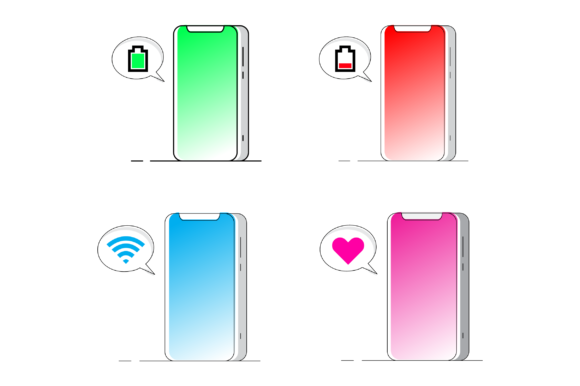
When we talk about Phone Chat Illustrations, we are referring to a specific style of vector art that depicts the intersection of voice communication and text messaging. Visually, these assets usually feature a blend of hard lines and soft curves—perhaps a smartphone silhouette paired with speech bubbles, sound waves, or emoticons. The "personality" of these illustrations is inherently modern, approachable, and tech-savvy. They convey a sense of immediacy and availability. Unlike a static image of a telephone receiver, these illustrations capture the nuance of how we communicate today: via text threads, voice notes, and instant messaging.
The style you get with a premium asset like this is distinct. Because they are delivered as EPS 10 (RGB) and SVG files, they are built for the screen-first world. The RGB color model ensures that the colors pop with vibrancy on monitors and mobile devices, making them ideal for web design and social media graphics. The vector nature means you have infinite scalability. You can blow one of these illustrations up to the size of a billboard or shrink it down to a 16x16 pixel favicon without losing a single ounce of sharpness. This is the hallmark of professional-grade design assets—they adapt to your needs, not the other way around.
Strategic Applications for Business and Branding
For entrepreneurs and brand identity strategists, the utility of these illustrations goes far beyond simple decoration. They serve as functional tools to guide user behavior. Consider the user interface of a modern app or website. A clean, vector phone chat icon instantly signals "Contact Us," "Live Support," or "Community Forum." It acts as a visual anchor in web design, reducing cognitive load for the user. Instead of reading a paragraph of text explaining how to get in touch, the user sees the illustration and knows exactly what to do.
However, the application isn't limited to digital interfaces. Because the files are editable vectors where all paths are closed and colors are easily adjustable, they are perfect for physical merchandise. Imagine a packaging design for a tech accessory brand; incorporating these illustrations can reinforce the product's purpose. They can be applied to clothes, mugs, posters, and ID cards with ease. For a marketing team running a campaign for a new messaging app, these vectors can be the backbone of the entire visual language. You can change the color palette to match your specific brand identity in seconds, ensuring consistency across all touchpoints—from a mobile ad to a trade show banner.
Integrating Vectors into Your Visual Hierarchy
One of the most common challenges in editorial design and logo design is establishing a clear visual hierarchy. You need the most important information to hit the reader's eye first. Phone Chat Illustrations can be instrumental in this process. In a blog post or a magazine layout, a large, vibrant vector illustration can act as a visual break, re-engaging the reader's attention. In logo design, elements of these illustrations can be abstracted to create a mark that represents connectivity and communication.
When evaluating how these assets influence brand perception, think about professionalism. High-resolution SVGs signal that a brand cares about quality. Pixelated or blurry icons, on the other hand, can make a website or brochure look amateurish. By using scalable vectors, you ensure that your brand looks crisp and authoritative on any device, whether it's a high-retina smartphone screen or a standard laptop monitor. This attention to detail builds trust with your audience—a crucial factor for content creators and publishers looking to monetize their platforms.
Practical Guide to Customization and Implementation
If you are ready to integrate these assets into your workflow, the process is straightforward. The files are designed to be user-friendly, even for those who aren't expert illustrators. Here is a practical approach to getting the most out of your purchase:
- Evaluating Project Fit: Before you start, look at the personality of the illustrations. Do the lines feel too playful for a serious corporate law firm? Or are they perfectly suited for a vibrant e-commerce store? Match the visual weight of the illustration to the tone of your project.
- Color Adjustment: Since the files are RGB, they are ready for digital use. However, if you are taking these to print for packaging design or merchandise, you will need to convert the color mode to CMYK. Because the vectors are editable, this is a simple conversion process in Adobe Illustrator or similar software.
- Font Pairing: Icons need text. When pairing these illustrations with typography, consider the contrast. If the illustration has rounded, soft edges, try pairing it with a clean sans serif font like Montserrat or Helvetica for a modern look. If you want a more eclectic, creative vibe, a handwritten font or script font can add a human touch, though ensure it remains legible at smaller sizes.
- Testing Scalability: Take advantage of the "scale does not reduce quality" feature. Test your layout at various zoom levels. Does the detail get lost when the icon is small? If so, you might need to simplify the color or remove small internal details for mobile views.
Beyond the Screen: Physical Merchandise
Don't limit your thinking to digital applications. The feature that allows these assets to be applied to "clothes, mugs, posters, and ID cards" opens up a world of opportunity for crafters and hobbyists. If you run an Etsy shop or a small creative business, you can use these vectors to create unique products. A t-shirt featuring a stylized phone chat bubble can be a hit for tech enthusiasts. An ID card lanyard for a conference can be branded with these icons to signify "staff" or "speaker." The ability to easily adjust size and color means you can create product variations quickly, testing what resonates with your audience without hiring an illustrator for every new item.
Consistency Across Platforms
For the modern entrepreneur, consistency is king. Using a cohesive set of Phone Chat Illustrations ensures that your Instagram stories, your website header, and your printed flyers all speak the same visual language. This repetition aids in brand recognition. When a customer sees that specific style of speech bubble or phone icon, they immediately associate it with your content. This is the subtle power of good modern typography and iconography—it creates a subconscious connection that keeps your brand top-of-mind.
In conclusion, these vector assets are more than just pictures of phones. They are versatile tools for communication. They help structure information, enhance brand identity, and provide a professional polish that elevates any project. Whether you are coding a new landing page, designing a newsletter, or printing merchandise, having a set of high-quality, editable vectors at your disposal is an investment in your creative efficiency and your brand's visual impact.